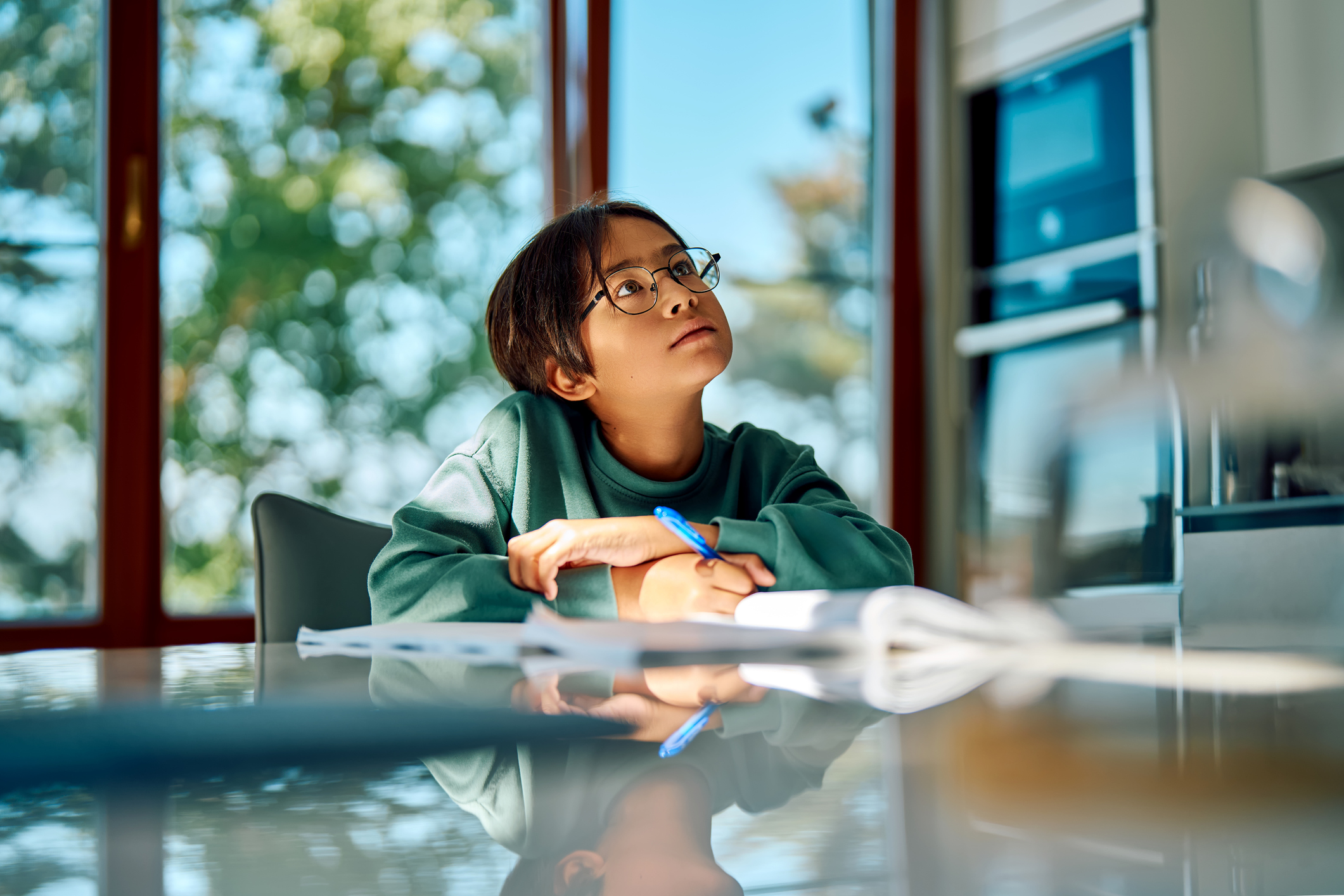
Confidence in learning doesn’t always come from getting the right answer.
More often, it grows quietly, in the moments where a student feels capable, understood, and willing to try again.
For many students, traditional classrooms don’t always create those moments. The pace can feel rigid. Participation can feel intimidating. And learning can start to feel like something to get through rather than something to engage with.
Online learning is changing that dynamic.
In a thoughtfully designed online environment, students are building confidence in ways that look different, but often run deeper.
Confidence Through Ownership of Learning
One of the biggest shifts online students experience is ownership.
Instead of being passively guided through each day, students take a more active role in how they learn. Whether they are attending live classes or working through self-paced lessons, they begin to understand how they learn best.
That might mean:
- Rewatching a lesson to fully grasp a concept
- Moving ahead in a subject where they feel strong
- Taking extra time without the pressure of keeping up with a group
This autonomy helps students develop a sense of capability. They are not just completing assignments. They are learning how to navigate challenges independently.
Over time, that builds a quiet, steady confidence that carries beyond academics.
A Safe Space to Participate
For some students, raising a hand in a traditional classroom can feel like stepping onto a stage without a script.
Online environments soften that pressure.
Students can participate through chat, discussion boards, or smaller group settings. They have space to think before responding. They can contribute without the immediate spotlight.
This shift often leads to something powerful. Students who once held back begin to engage more consistently. Their ideas come forward more clearly. And with each contribution, their confidence grows.
Learning That Feels Real and Engaging
Confidence is closely tied to understanding.
When students truly grasp what they are learning, they are more likely to speak up, ask questions, and stay curious.
Immersive learning experiences, including virtual reality environments, help make abstract concepts more tangible. Instead of only reading about a moment in history or a scientific process, students can explore it in a more interactive way.
That deeper level of engagement helps students connect knowledge with experience, making learning feel more intuitive and less intimidating.
When students understand, they participate.
When they participate, they gain confidence.
Progress Without Comparison
In many traditional settings, confidence is often shaped by comparison. Who finished first. Who scored highest. Who answered correctly.
Online learning shifts the focus inward.
Students are more likely to measure progress against their own growth rather than against their peers. They can see improvement over time, revisit past work, and recognize how far they have come.
This creates a healthier relationship with learning.
Instead of asking, “Am I as good as everyone else?”
Students begin to ask, “Am I improving?”
That mindset builds resilience alongside confidence.
Support That Meets Students Where They Are
Confidence doesn’t grow in isolation. It grows when students feel supported.
In strong online programs, students still have access to certified teachers, structured lessons, and meaningful feedback. The difference is that support can feel more personalized.
Teachers can meet students where they are academically and emotionally, offering guidance that helps them move forward without feeling overwhelmed.
For students who may have struggled in traditional environments, this kind of support can be transformative.
Confidence That Extends Beyond the Classroom
Perhaps the most important outcome is that this confidence doesn’t stay confined to schoolwork.
Students who learn how to manage their time, advocate for their needs, and engage with material in a meaningful way begin to carry those skills into other areas of life.
They approach challenges with more assurance.
They communicate more clearly.
They trust their ability to figure things out.
And that is the kind of confidence that lasts.
Rethinking What Confidence Looks Like
Confidence in education doesn’t have to be loud to be powerful.
Sometimes, it looks like a student logging in ready to learn.
Sometimes, it looks like asking a question they once would have avoided.
Sometimes, it looks like trying again after getting something wrong.
Online learning is opening the door for more students to experience those moments.
And in doing so, it is helping them build confidence in ways that are not only new, but meaningful.