The future of education is rapidly evolving, and one of the most innovative approaches comes from Adam Mangana, an educator and technology leader working to transform how students learn through immersive virtual environments.
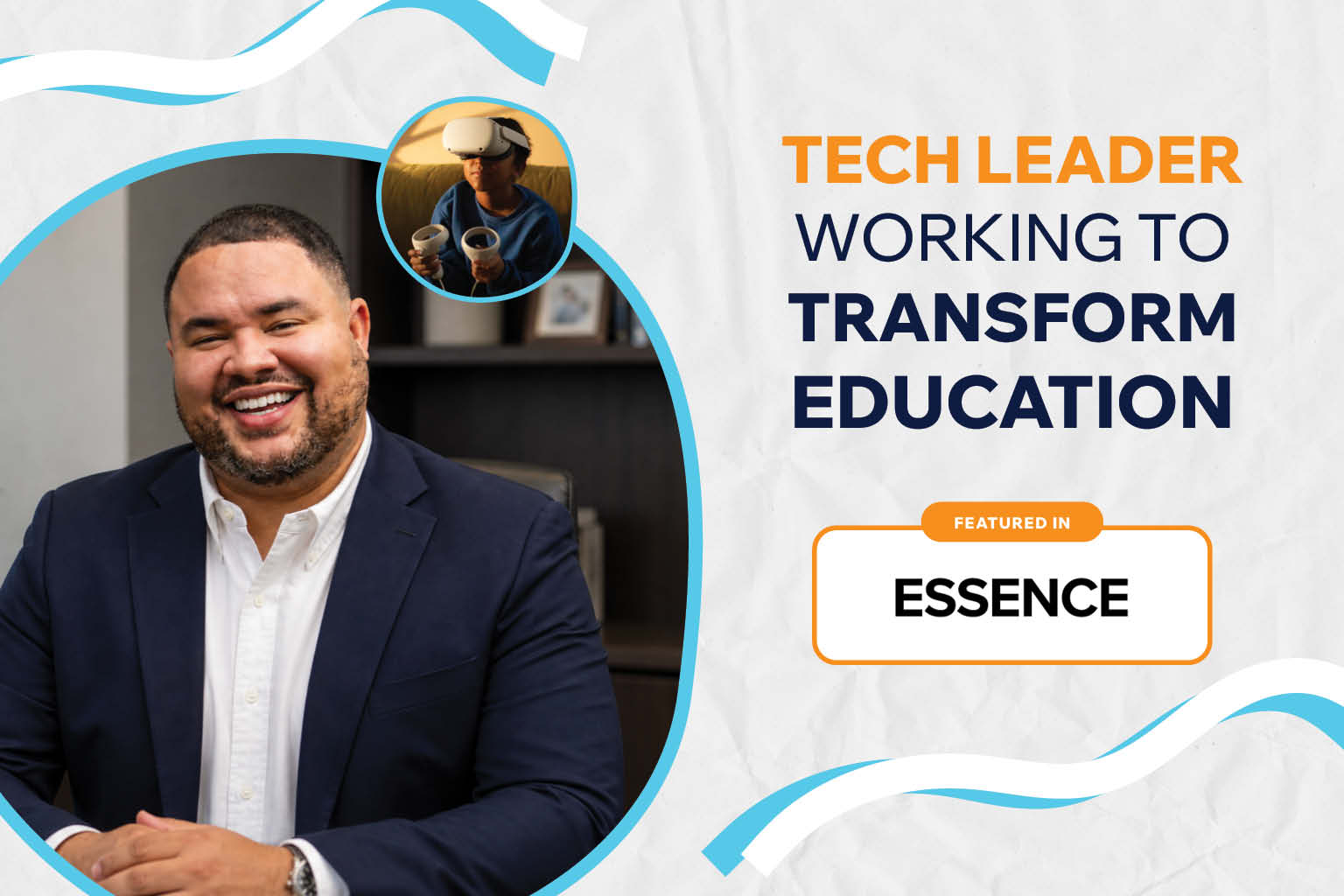
In a feature published by Essence, Mangana’s work in launching the world’s first virtual reality charter school highlights how emerging technology can create more engaging and human-centered online learning experiences.
The story explores how virtual reality could reshape digital education by creating immersive classrooms where students and teachers interact in real time rather than through traditional video calls.
A New Approach to Online Learning
The shift toward remote education accelerated during the COVID-19 pandemic, forcing schools to quickly adopt digital platforms for learning. However, many educators and parents recognized that traditional video-based remote learning lacked the social interaction and engagement students need.
Adam Mangana believed there was a better solution.
Through the use of virtual reality technology, students can enter a shared digital classroom environment where they interact with classmates and teachers through avatars and immersive spaces. Instead of passively watching a screen, students experience learning environments that feel more collaborative and interactive.
The First Virtual Reality Charter School
Mangana helped launch what has been described as the world’s first virtual reality charter school, combining classical education principles with cutting-edge technology.
The program was designed to serve students in grades 3 through 8 and aims to provide a unique learning experience where technology enhances—rather than replaces—human interaction in education.
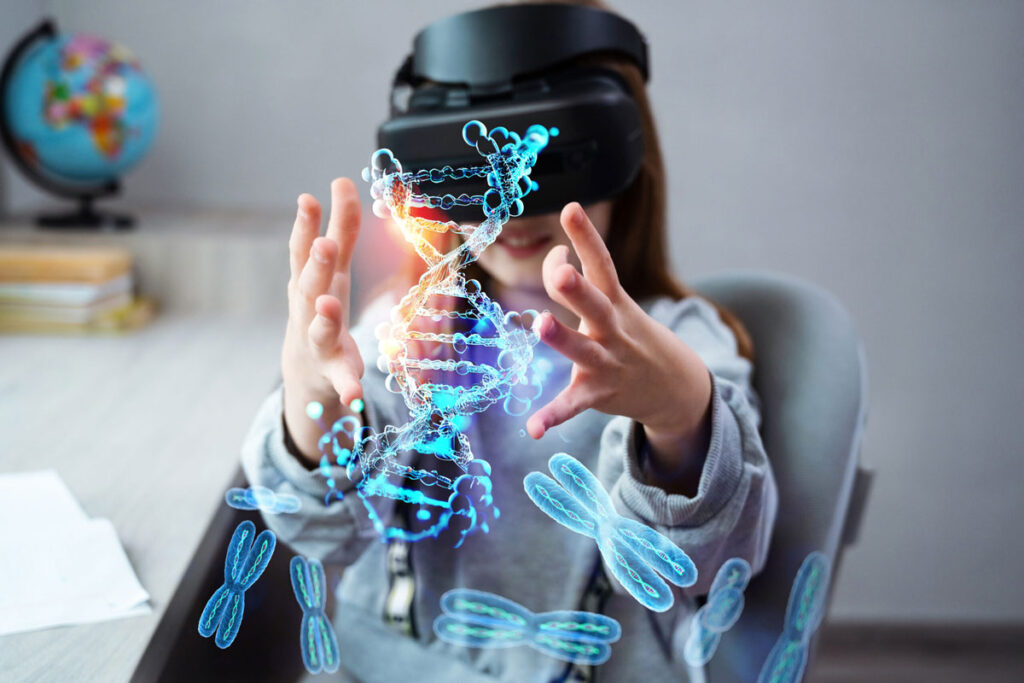
Students participating in the program receive VR headsets and enter immersive classrooms where lessons take place in shared virtual environments. They can customize avatars, interact with classmates, and explore learning environments designed to make subjects more engaging.
Despite the advanced technology, Mangana emphasized that real teachers remain at the center of the experience, guiding students and responding to questions in real time within the virtual classroom.
Addressing the Challenges of Remote Education
One of the biggest challenges with traditional remote learning has been the feeling of isolation students experience when learning online.
Virtual reality offers a way to bring back the social aspect of education, allowing students to feel present with their classmates and teachers even while learning remotely.
Mangana described VR as a powerful tool for building empathy and engagement in education. By combining immersive technology with strong curriculum content, he believes it is possible to create learning experiences that are both effective and inspiring for students.
Innovation in Education Technology
The concept of virtual reality education reflects a broader trend toward immersive technologies in learning. Researchers have found that VR environments can increase engagement and allow students to explore complex subjects through interactive experiences.
As technology continues to advance, virtual classrooms may become an increasingly important part of modern education—offering new ways for students to connect, collaborate, and learn.
Read the Full Article
To learn more about Adam Mangana’s work in virtual reality education and the launch of the first VR charter school, read the full feature published by Essence.