One of the most common questions parents have when considering homeschooling is, “But how will my child make friends?”
It’s a fair question, but it’s also one of the biggest misconceptions about homeschooling. In reality, homeschooled students often have rich, meaningful social lives. They may not spend their days in crowded hallways or noisy cafeterias, but they have plenty of opportunities to build friendships that are just as strong (and sometimes stronger).
Here’s how homeschooled kids make friends, and why you might be surprised by how connected they truly are.
1. Homeschool Communities and Co-ops
Homeschooling rarely happens in isolation. Across the country, homeschool families are part of thriving local and online communities.
Through homeschool co-ops, families come together for group classes, field trips, and social events. Students can collaborate on science experiments, rehearse for theater productions, or just meet up at the park.
Why it works:
-
Kids meet peers with shared interests.
-
Families build long-term friendships.
-
Events are more intentional and flexible.
Fun fact: Many homeschool co-ops operate like mini schools, offering everything from robotics clubs to debate teams.
2. Extracurricular Activities Outside the Home
 Because their schedules are often more flexible, homeschooled students have more time to join clubs, sports teams, and activities in their communities. Whether it’s soccer, dance, music lessons, Scouts, or martial arts, these activities are natural friendship builders.
Why it works:
-
Students socialize with kids of all backgrounds.
-
They can pursue passions more deeply.
-
Friendships often grow around shared skills and experiences.
3. Virtual Classrooms and Online Friendships
With modern technology — and especially through programs like Optima Academy Online — homeschooled students connect daily with classmates in live, interactive environments. Virtual reality and online classrooms allow kids to collaborate, talk, and explore learning together from anywhere in the country.
Why it works:
-
Students see and talk to their peers daily.
-
Group projects and discussions encourage connection.
-
VR spaces create shared experiences that feel “real.”
4. Neighborhood and Church Friendships
Many homeschool families build strong friendships through their neighborhoods, churches, and community organizations. Because their learning schedule isn’t confined to a traditional school day, kids often have more free time to play outside, volunteer, and meet people in their communities.
Why it works:
-
Kids develop friendships across different age groups.
-
Social time happens in authentic, everyday ways.
-
These bonds often extend beyond the school year.
5. Travel, Field Trips, and Shared Adventures
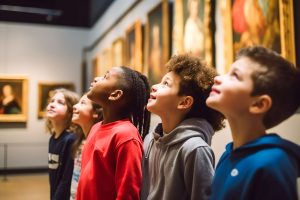 Homeschooling families often take advantage of the flexibility to travel, visit museums, explore national parks, and attend educational events. These experiences not only build lifelong memories but also create unique opportunities to meet other families along the way.
Why it works:
-
Travel encourages curiosity and shared experiences.
-
Kids meet new friends from different places.
-
Adventures create strong social bonds.
6. A Different Kind of Socialization
One of the most valuable aspects of homeschooling is the quality of friendships students form. Because they’re not limited to just kids in their grade or school building, homeschoolers often develop friendships that are more diverse, spanning ages, interests, and backgrounds. They also get more practice engaging with adults, mentors, and younger students, which builds confidence and strong communication skills.
Homeschooling doesn’t mean missing out on friendships. It often means building deeper, more meaningful ones.
How Optima Academy Online Helps Students Connect
At Optima Academy Online, our students experience a vibrant community every day. Through live virtual classes, immersive VR field trips, and interactive clubs, students collaborate, laugh, and learn together, forming friendships that extend beyond the screen. Many families even meet up in person at local events and extracurricular activities.
We believe learning should happen in community, and that includes strong, joyful friendships.
Ready to Learn (and Make Friends) Your Way?
Homeschooling doesn’t limit socialization. It redefines it.
With the right support and opportunities, your child can thrive academically and socially in a homeschool environment.